
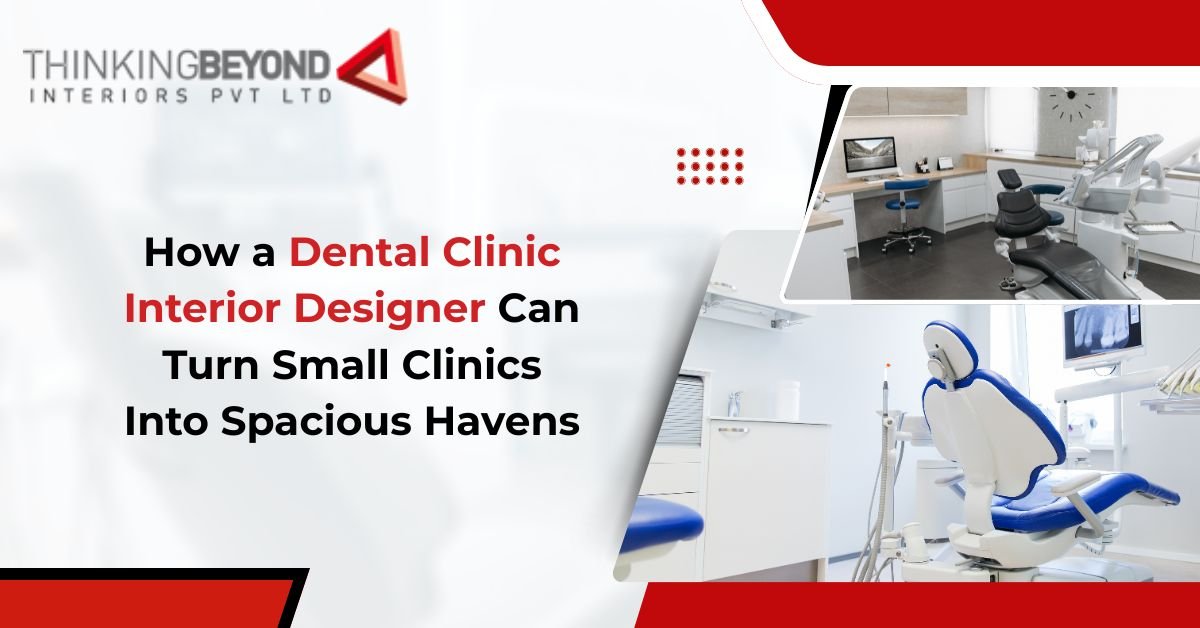
For many dentists, running a clinic in a compact space can be challenging. Every square foot matters—not only for accommodating dental chairs and essential equipment but also for creating an environment where patients feel comfortable and at ease. This is where the expertise of a dental clinic interior designer becomes invaluable. These professionals understand how to maximize functionality, maintain hygiene standards, and create an inviting atmosphere even in limited spaces. A well-designed clinic can make all the difference between a cramped, overwhelming environment and one that feels open, professional, and welcoming.
Why Space Matters in Dental Clinics
Patients often form their first impression of a dental clinic based on its appearance before they even meet the dentist. A cluttered or poorly planned environment can subconsciously signal disorganization or lack of professionalism. More importantly, limited space—if not strategically managed—can feel uncomfortable for both patients and staff.
A skilled interior designer for dental clinics understands that space planning is not just about accommodating equipment; it is about creating an environment that supports patient trust, smooth workflow, and operational efficiency. Every detail matters, from chair placement to the flow between reception and treatment areas.
The Role of a Dental Clinic Interior Designer in Small Spaces
When working with compact clinics, a dental clinic interior designer approaches the project with a blend of creativity and practicality. They analyze floor dimensions, workflow patterns, lighting sources, and equipment requirements before crafting a practical design strategy.
The goal is to ensure that the clinic feels open and uncluttered, even if the space is under 500 square feet.
This often involves strategic zoning, vertical storage solutions, and multifunctional furniture designed to maximize the usability of every inch.
Optimizing Layout for Efficiency and Comfort
One of the biggest challenges in small dental clinics is balancing patient comfort with the dentist’s need for easy access to tools and equipment. The best interior designers plan layouts where everything is within reach for the dental team without creating a congested feel.
Designers often use open-plan layouts, sliding partitions, or strategically positioned treatment chairs to ensure privacy while maintaining efficient workflow.
Lighting as a Space-Enhancing Tool
Lighting plays a critical role in making small clinics feel larger. Natural bright light enhances visibility for dental procedures while also increasing the perceived openness of the room.
Professional designers incorporate ambient, task, and accent lighting to create depth and clarity. Features like LED under-cabinet lighting, reflective surfaces, and light-colored finishes help expand visual space while maintaining a clean, professional look.
Smart Storage Solutions for a Clutter-Free Environment
In small clinics, clutter can quickly overwhelm the space. A good interior designer integrates smart storage solutions such as wall-mounted cabinets, recessed shelving, and under-counter compartments. Custom cabinetry for dental tools, sterilization units, and patient files ensures easy access while keeping the clinic visually open and tidy.
Color and Material Selection for Spaciousness
Color selection significantly affects how patients perceive space. Light, neutral shades like white, beige, or soft pastels make rooms feel larger and more inviting. Designers often pair these tones with glossy finishes, glass elements, and minimal furniture to increase brightness and visual depth.
Material choice also matters—smooth, reflective surfaces enhance spaciousness while maintaining hygiene, which is critical in dental environments.
Patient-Centric Design for Better Experience
Patients visiting smaller clinics often need additional reassurance and comfort. Experienced designers create patient-centric environments using calming décor, ergonomic seating, welcoming waiting areas, and subtle greenery. Clear sightlines from the reception area to the entrance enhance the feeling of openness and security.
Technology Integration Without Compromising Space
Dental clinics rely heavily on advanced tools, but bulky equipment can make small spaces feel cramped. Skilled designers integrate compact, wall-mounted screens, built-in units, and space-efficient treatment chairs to preserve floor space while maintaining full functionality.
Case Study – From Constrained to Comfortable
Consider a 300-square-foot dental practice in a busy Indian city. Before redesigning, the clinic felt cramped, equipment was scattered, and patient movement was restricted. After hiring a professional dental clinic interior designer, the space was transformed using vertical storage, a multifunctional treatment zone, improved lighting, and a soothing color palette. The clinic felt twice as spacious, and patient satisfaction improved significantly.
Long-Term Value of a Professionally Designed Small Clinic
A well-designed clinic is more than an aesthetic upgrade—it is an investment in the practice’s growth. Smart interior planning ensures compliance with medical standards, improves workflows, enhances patient retention, and strengthens the clinic’s brand image. Over time, these improvements translate into more referrals, better reviews, and a loyal patient base.
Conclusion – Transforming Small Clinics into Spacious Havens
Maximizing space in a dental clinic requires more than rearranging furniture—it needs a strategic, patient-focused design approach. Through intelligent layouts, smart storage, efficient lighting, and thoughtful material selection, even the smallest clinic can feel open, calming, and highly functional.
For clinics in India looking to transform their spaces, working with the best dental clinic interior designers ensures every square foot is used effectively. Companies like ThinkingBeyond Pvt. Limited specialize in crafting customized solutions that help dental professionals turn compact clinics into welcoming, modern, and efficient environments.