
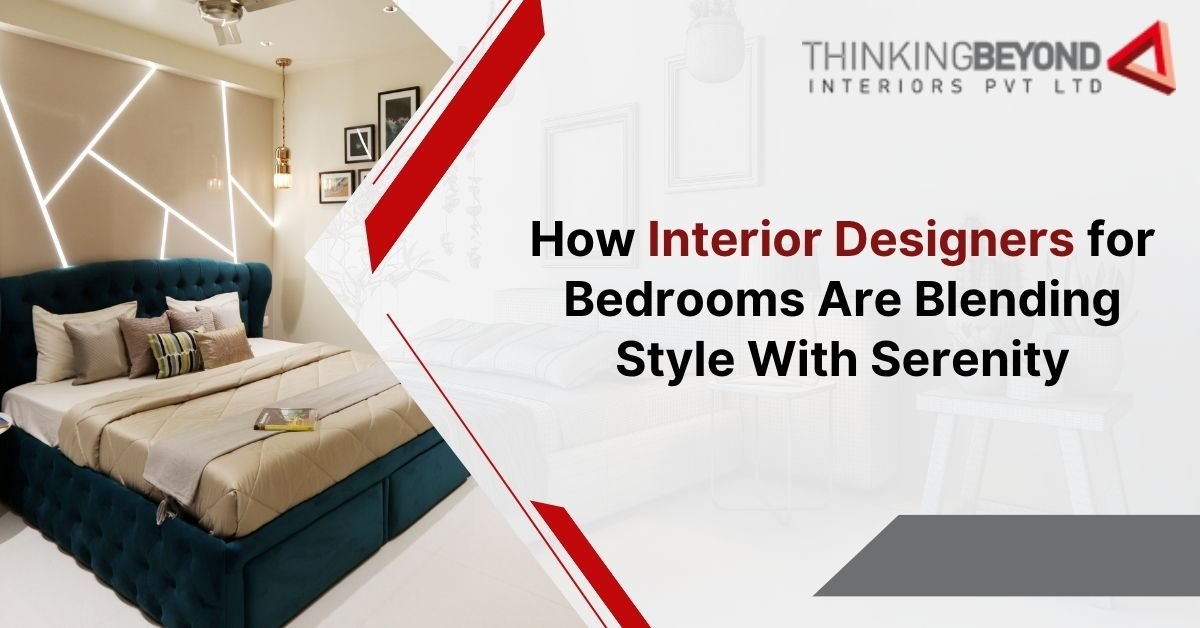
The Rise of Purpose-Driven Bedroom Design
Today, bedrooms are no longer just for sleeping—they have evolved into personal sanctuaries that offer peace, comfort, emotional balance, and a reflection of personal style. This shift is largely driven by interior designers for bedrooms who understand that great design is not only about aesthetics but also about how a space feels, how it supports well-being, and how it aligns with one’s lifestyle. In a fast-paced world where stress is common, serenity has become the ultimate luxury—and it starts at home, especially in the bedroom.
Why Serenity Matters in Bedroom Interiors
Bedrooms are designed to rejuvenate us, but overly decorated or poorly planned rooms can cause subconscious discomfort. Bedroom interior designers now take a holistic approach—prioritizing soothing color palettes, natural textures, soft lighting, and calming layouts. The trend is moving away from overly ornate designs and toward purposeful simplicity. This creates a mindful retreat where relaxation comes naturally.
The Elements That Bring Style and Serenity Together
Achieving both style and serenity in a bedroom requires thoughtful balance. Designers carefully curate every detail—from lighting to layout—to ensure harmony. Earthy tones such as taupe, beige, and sage are replacing bold, high-contrast colors. Materials like linen, rattan, raw wood, and handmade ceramics introduce warmth and texture. Soft layered lighting and decorative fixtures enhance the mood and bring depth to the space.
Furniture design is also evolving. Low-profile beds, floating nightstands, and built-in wardrobes are now popular choices for creating openness and reducing visual clutter.
Each element is chosen not just for its appearance but for the emotional experience it creates.
Personalization as a Path to Peace
Serenity means something different to everyone, which is why the best bedroom designers begin with meaningful conversation. They understand client routines, habits, preferences, and emotional needs before creating a design plan. This ensures no two bedrooms look or feel the same.
Some people find peace in natural daylight and sheer curtains; others prefer the scent of cedarwood drawers or the sound absorption of acoustic wall panels. Designers now integrate sensory elements—aromatherapy diffusers, blackout blinds, acoustics, and tactile fabrics—to create deeply personal environments.
Sustainability and Natural Harmony
Eco-friendly materials are becoming essential in serene bedroom design. Designers are choosing organic bedding, non-toxic paints, and locally sourced wood and textiles. These materials not only reduce environmental impact but also enhance indoor air quality and emotional well-being.
Sustainability is no longer just a trend—it is a lifestyle choice. Indoor plants, bamboo fixtures, and recycled fabrics strengthen the connection with nature, a key contributor to calmness and mental clarity.
Spatial Psychology and Layout Planning
The placement of furniture heavily influences how a room feels. A congested layout can create stress, whereas a well-planned, open layout encourages relaxation. Designers apply principles of spatial psychology to create balanced, comfortable bedrooms.
For example, positioning the bed to avoid direct alignment with the door, or placing it to face a window, draws inspiration from Vastu and Feng Shui. Reducing visual noise by minimizing open shelving also helps create mental stillness.
Technology That Disappears Into Design
In an era of digital living, bedrooms are becoming tech-enabled while maintaining a peaceful, minimalist appearance. Designers integrate smart lighting, climate control, and sound systems in subtle ways.
Wireless charging built into nightstands, concealed speakers, hidden cables, and voice-controlled ambiance settings offer convenience without disturbing the room’s serenity.
The Emotional Impact of Bedroom Design
Our brains respond instantly to the spaces we occupy. Bedroom designers understand these emotional triggers and curate colors, textures, shapes, and décor that evoke safety, comfort, and calm. Warm tones, natural textiles, soft curves, and intentional artwork all contribute to a soothing atmosphere.
Blending Tradition With Modern Tranquility
In many Indian homes, bedrooms hold cultural and sentimental value. Designers incorporate traditional elements—carved headboards, vintage lamps, heirloom textiles—within modern layouts. This fusion creates emotional depth while maintaining a serene, contemporary environment.
Looking Ahead: The Future of Bedroom Interior Design
As digital lifestyles expand and schedules intensify, the need for quiet, personal sanctuaries will grow. Bedroom interiors will continue to prioritize well-being, sensory comfort, and emotional balance.
Designers will explore biophilic concepts, modular furniture, and sensory-responsive materials. AI-assisted room planning may increase, but the ultimate goal will remain the same: to create spaces that feel like a true personal retreat.
Conclusions
The role of an interior designer for bedrooms goes far beyond visual aesthetics. Modern designers focus on how a space supports mental health, emotional balance, and daily routines. They help people rediscover calm and comfort within their most personal environment. In doing so, they are not just decorating bedrooms—they are designing sanctuaries.
In this thoughtful evolution of restful design, ThinkingBeyond Pvt. Limited stands out as a design partner that understands the power of subtle, human-centered interiors. They don’t just follow trends—they redefine what it means to live well, starting with the bedroom.