
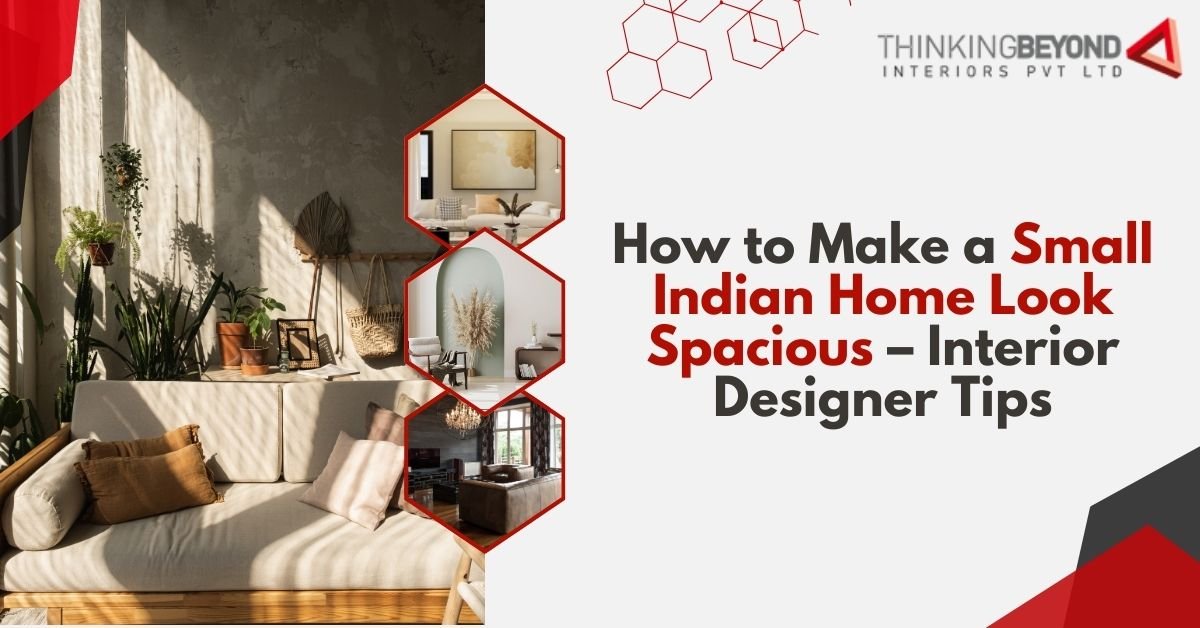
Understanding the Challenges of Small Indian Homes
In India, urban living often comes with compact homes, especially in cities like Mumbai, Delhi, and Bangalore. Limited square footage can make spaces feel cramped, but with thoughtful design, even small homes can appear open, functional, and aesthetically pleasing. Interior Designers emphasize that proper planning—right from color selection to furniture placement—can transform a small house into a spacious-feeling, comfortable living environment.
The Role of Light in Expanding Spaces
Light is one of the most powerful tools for expanding visual space. Natural light instantly opens up a room, making it feel larger and more welcoming. Designers recommend using sheer curtains instead of heavy drapes to allow maximum sunlight. In homes where natural light is limited, layered lighting—ceiling lights, sconces, and floor lamps—helps brighten the space and reduce shadows. A well-lit home always feels more open and inviting.
Choosing the Right Colors for Small Homes
Color greatly influences how spacious a home feels. For small Indian homes, lighter shades such as white, beige, soft pastels, and muted earthy tones create an illusion of openness. Dark or bold colors can still be used, but as accents rather than dominant shades. Reflective surfaces also play a significant role—mirrors, glossy finishes, and glass elements bounce light around the room, enhancing brightness and perceived space.
Smart Furniture Selection and Placement
Furniture can either enhance or limit space in a small home. Oversized or bulky pieces create clutter, while modular, multi-purpose furniture makes the home feel organized and spacious. A sofa-bed, a foldable dining table, or a storage ottoman brings dual functionality without consuming extra space. Placing furniture along walls or choosing low-height pieces also increases visible floor area, making the room feel larger. Floating shelves and wall-mounted units further boost floor space while keeping essentials accessible.
Decluttering and Smart Storage Solutions
Small homes can quickly feel overwhelming when clutter accumulates. Designers emphasize smart storage solutions such as under-bed drawers, wall-mounted cabinetry, and vertical shelves to optimize available space. Wardrobes with sliding doors save space and maintain a clean visual appeal. In kitchens, modular storage systems make organization easier and keep countertops clutter-free. When storage is built into the design, the home stays tidy and visually spacious.
Open Layouts and Space Division
Traditional Indian homes used multiple enclosed rooms, but modern design favors openness. Open floor plans—especially combining the living, dining, and kitchen areas—create a seamless flow and reduce the cramped feeling. When removing walls isn’t possible, designers use glass dividers, sliding panels, or wooden screens to divide space without blocking light. This balance of openness and subtle privacy creates a vibrant, breathable home layout.
Incorporating Vertical Design Elements
When floor space is limited, vertical space becomes a valuable asset. Tall bookshelves, ceiling-high curtains, and vertical gardens draw the eye upward, making rooms appear taller. False ceilings with layered lighting or sleek patterns enhance height perception as well. In kitchens and bathrooms, overhead cabinets free up counter space while maintaining convenience.
Minimalism as a Lifestyle Choice
Minimalism isn’t about having empty spaces—it’s about intentional living. Small homes benefit immensely from minimal design principles. Instead of filling rooms with excessive furniture and decor, homeowners can choose meaningful, functional pieces that reflect personality without creating clutter. Clean lines, neutral colors, and simplified layouts help create an open, calm atmosphere that feels refreshing and organized.
Blending Tradition with Modern Space-Saving Design
Indian homes often incorporate cultural elements such as carved furniture, handicrafts, and dedicated prayer spaces. Designers blend these traditions with modern space-saving solutions—such as incorporating a compact puja corner into a wall niche or redesigning traditional wooden furniture with a minimalist touch. This approach preserves cultural warmth while maintaining an uncluttered, spacious interior.
Final Thoughts on Creating Spacious Homes
Designing a small Indian home is less about increasing square footage and more about making smarter choices. Lighting, colors, furniture, and layout all play a key role in shaping how space is perceived. With minimalism, smart storage, and thoughtful planning, compact homes can feel open, functional, and beautiful. Professional interior designers ensure that every inch is optimized while preserving comfort and elegance.
In today's fast-paced urban lifestyle, good interior design isn’t just about appearance—it’s about creating spaces that support peace, productivity, and well-being. Even the smallest apartment can feel spacious with the right approach.
If you’re looking to transform your compact home into a spacious retreat, ThinkingBeyond Pvt. Ltd offers expert guidance and creative solutions. Their design philosophy blends functionality with aesthetics, ensuring your home reflects sophistication, comfort, and thoughtful space utilization.