
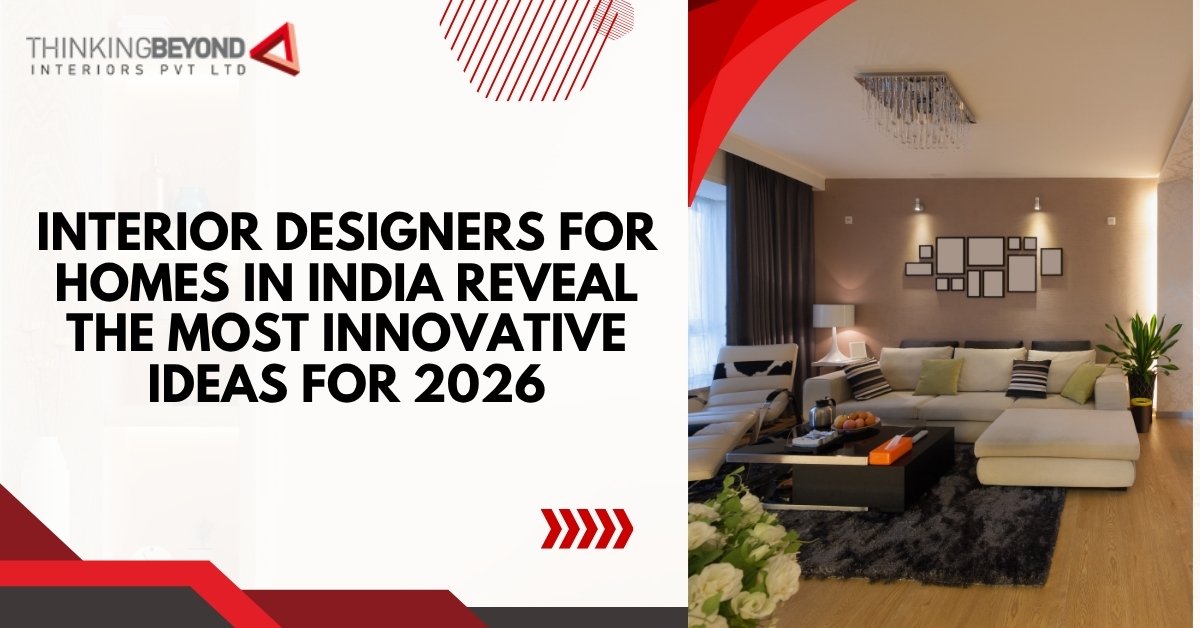
The Indian Home Interiors as They Will Look in 2026
Indian households are evolving faster than ever, with innovation becoming central to how spaces are designed and lived in. The modern homeowner now seeks a seamless blend of tradition, technology, comfort, style, creativity, and practicality. As a result, living spaces are being reimagined into luxurious yet multi-functional environments by an Interior Designer for Homes in India.
Smarter Living with Built-In Technology
Technology is no longer an add-on; by 2026, it becomes a core design component. Interior Designers for Homes in India are integrating smart features that blend effortlessly with home aesthetics. Voice-controlled lights, motion sensors, automated blinds, and energy-efficient air systems are becoming standard. Smart mirrors that double as screens, intelligent kitchens, and built-in charging stations are also rapidly gaining popularity. These inclusions aim to make daily living more convenient and connected.
Flexible Spaces and Multi-Functional Furniture
With space becoming increasingly precious, especially in urban India, designers are rethinking how every inch can serve multiple purposes. Multi-functional furniture is leading this change — sofas that convert into beds, extendable dining tables, modular workstations, and cleverly concealed storage under stairs or inside walls. Open-plan living is also gaining popularity, making smaller homes feel larger and more connected. Homes in 2026 will evolve with their owners, shifting effortlessly from work zones to relaxation hubs.
Green and Environmentally Conscious Design Ideas
Sustainability is no longer a trend — it is becoming the foundation of modern Indian homes. Interior Designers for Homes in India are prioritizing eco-friendly approaches using natural, locally sourced materials such as bamboo, rattan, reclaimed wood, jute, and handwoven fabrics. Low-VOC paints, energy-efficient lighting, and recycled décor are also central to this movement. Designers are bringing nature indoors through elements like vertical gardens, indoor planters, and living walls, which enhance air quality while creating refreshing visual appeal.
A Combination of Antique Craft and Contemporary Beauty
India’s rich craft heritage is finding a renewed place in contemporary interiors. Designers are skillfully blending traditional elements like terracotta accents, block-printed textiles, brass fixtures, and handcrafted furniture with minimalist modern designs. This fusion adds storytelling, warmth, and authenticity to living spaces. Carved wooden panels, artisanal lighting, and heritage patterns bring cultural richness while still fitting into stylish, modern homes.
Customized Rooms That Reflect Your Lifestyle
Personalization is now at the heart of modern home design. Interior Designers for Homes in India are creating spaces that reflect the homeowner’s personality, routine, and aspirations. This means hobby corners, home gyms, meditation spaces, reading pods, customized wall art, mood-based color themes, and lighting designed for productivity or relaxation. Homes are becoming deeply personal sanctuaries rather than generic layouts.
The Nature-Inspired Interior Rise
Biophilic design — the integration of nature into interiors — is emerging as a major trend for 2026. Designers are using natural textures, greenery, indoor water features, large windows, and organic materials such as stone and wood to create serene, nourishing spaces. Earthy tones, green accents, and breathable fabrics help homes feel balanced, calm, and closely connected to the outdoors.
Playing with Colors and Texture
Colors and textures in 2026 are expressive and layered. Instead of rigid palettes, designers are combining tones based on mood, personality, and seasonal influences. Earthy shades like ochre, sage, clay, and beige are popular, enhanced with metallic finishes and textured walls. Natural fiber rugs, handcrafted décor, and 3D wallpapers add dimension and warmth, creating visually rich and dynamic interiors.
Space Optimization and Intelligent Storage
With urban homes shrinking, interior designers are innovating new ways to optimize space. Concealed storage solutions, modular kitchens, foldable wall-mounted tables, vertical shelving, and sliding wardrobes help maximize functionality without compromising aesthetics. Every corner is designed to serve a purpose while maintaining a clean, open look that enhances the home’s overall spaciousness.
The Affective Interface of Design
Modern interiors are shifting toward emotional design — creating spaces that evoke peace, joy, comfort, and connection. Interior Designers for Homes in India are focusing on soft lighting, warm textures, intuitive layouts, and cozy nooks that support family bonding and mental well-being. Homes are no longer just functional structures; they are emotional experiences shaped by the homeowner’s dreams and lifestyle.
Conclusion
By 2026, Indian homes will embrace innovation, sustainability, personalization, and artistic fusion more deeply than ever before. With advanced technology, eco-conscious design, flexible layouts, and rich craftsmanship, the future of home interiors looks dynamic and soulful. Leading Interior Designers for Homes in India are shaping this transformation with thoughtful, creative, and functional design solutions. ThinkingBeyond Pvt. Limited brings expertise that blends innovation with comfort, helping homeowners create meaningful, timeless living spaces that truly reflect who they are.