
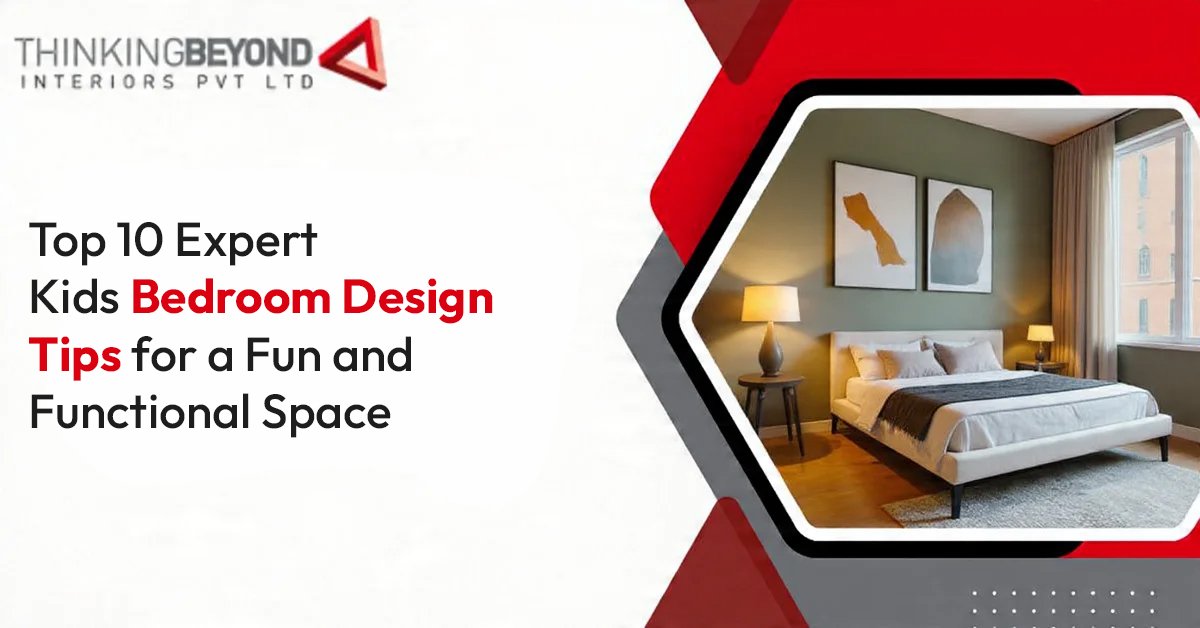
Designing a kid’s bedroom is one of the most exciting yet challenging tasks for parents. It’s not just about choosing bright colors or adding cute décor pieces; the space must balance comfort, creativity, safety, storage, and future needs. A well-designed kids’ room should support learning, playtime, rest, and personality development. That is why interior designers for homes in India always focus on thoughtful planning and functional design elements. If you want to create a room your child will love today and still enjoy years later, these expert tips will guide you toward making the perfect space.
1. Choose a Flexible Theme That Grows with Your Child
Kids grow fast, and their interests change even faster. While your child may love cartoons, superheroes, or unicorns today, their tastes will evolve. Avoid committing to a theme that feels too temporary. Instead, interior designers recommend using a neutral or flexible color palette on the walls and adding themed décor through bedcovers, cushions, wallpapers, or display pieces. This makes it easier and more affordable to update the room without redesigning the entire space.
2. Prioritize Safe and Comfortable Furniture
Safety comes first in every kid’s bedroom design. Choose rounded-edge furniture to avoid injuries and ensure the bed height is appropriate for your child’s age. Non-toxic paints, sturdy storage units, and high-quality materials are essential. A bedroom interior designer also checks that wardrobes have smooth mechanisms and bunk beds have secure railings. Comfort and safety should always go hand in hand.
3. Use Smart Storage Solutions to Prevent Clutter
A kid’s room can become messy within minutes if proper storage is not planned. Built-in wardrobes, under-bed drawers, wall shelves, storage benches, and multi-purpose furniture help keep everything organized. Dedicated storage zones for toys, books, clothes, and school supplies help children learn discipline and responsibility. Interior designers for homes in India often recommend storage that is easy for kids to access so they can clean up independently.
4. Plan a Dedicated Study and Learning Area
Whether your child is in kindergarten or high school, a study corner is essential. Choose a well-lit area with a comfortable chair and a desk that matches the child’s height. Add shelves or pegboards to organize school items and use calming colors like white, pastel blue, or soft green to help improve concentration. A well-planned study area encourages productivity and builds better habits.
5. Add an Interactive Play Zone
Kids need space to play, imagine, and express themselves. A small play corner with a soft rug, a tent, a chalkboard wall, or a tiny bookshelf can make a huge difference. This zone becomes a child’s personal world where creativity flows freely. According to many interior designers for homes in India, creating a separate play area also helps children learn to keep toys away from their sleeping and studying areas, resulting in a more organized room.
6. Choose the Right Colors for Mood and Energy
Colors affect a child’s mood, creativity, and behavior. Bright colors like yellow or orange boost energy, while pastels such as lavender, mint, or sky blue create a calming environment. A good bedroom interior designer always recommends a balanced color palette—mixing fun shades with soothing tones—to keep the room cheerful without overwhelming the senses. Accent walls, wallpapers, and textured patterns also help create depth and character.
7. Ensure Plenty of Lighting Options
Lighting is one of the most important elements of kids' bedroom design. Natural light plays a major role in improving mood and overall health, so keep the windows open and use light curtains to allow sunlight in. Combine overhead lights with study lamps, night lamps, and soft ambient lighting. Dimmable lights are a great addition, especially for children who fear the dark. Good lighting ensures comfort, focus, and safety.
8. Make Space for Personal Expression
Every child is unique, and their room should reflect their personality. Create areas where children can express themselves through art, photos, collections, or even DIY décor. A pin-up board or magnetic wall allows kids to display their achievements, drawings, and memories. Interior designers for homes in India emphasize personalization because it helps build confidence and creates a sense of belonging.
9. Keep the Layout Simple and Spacious
A cluttered or crowded layout can make a room feel stressful or unsafe. Kids need space to move freely, play, and explore. Place furniture around the edges to keep the center open and ensure pathways are free of obstacles. A simple layout encourages better room management and allows children to use the space comfortably. A well-planned layout also helps parents make changes easily as the child grows.
10. Think Long-Term and Future-Proof the Design
The most practical kids' bedroom designs are the ones that can adapt to changing needs. Invest in durable furniture instead of temporary pieces. Choose neutral wall colors instead of overly childish themes, and choose wardrobes, study tables, and shelves that will be functional even during teenage years. Future-proofing saves both time and money while ensuring the room remains usable and stylish as the child grows.
Why Good Kids Bedroom Design Matters?
A child’s environment plays a major role in their mental and emotional development. A well-designed room helps them sleep better, study with focus, and express creativity. Kids who have a personalized and organized room tend to be more independent and responsible. Good design also strengthens the parent-child bond because the room becomes a safe and happy place where memories are created.
Interior designers for homes in India focus on creating spaces that blend comfort, functionality, and imagination. These tips, when implemented properly, create a nurturing environment that supports every aspect of a child's growth.
Conclusion
Designing a kid’s bedroom requires creativity, planning, and a deep understanding of a child’s needs. From colors and lighting to layout and storage, every detail shapes the overall experience. If you want a professionally designed, safe, and future-ready kids’ room, ThinkingBeyond Interiors specializes in creating functional, stylish, and child-friendly interiors that bring imagination to life.